
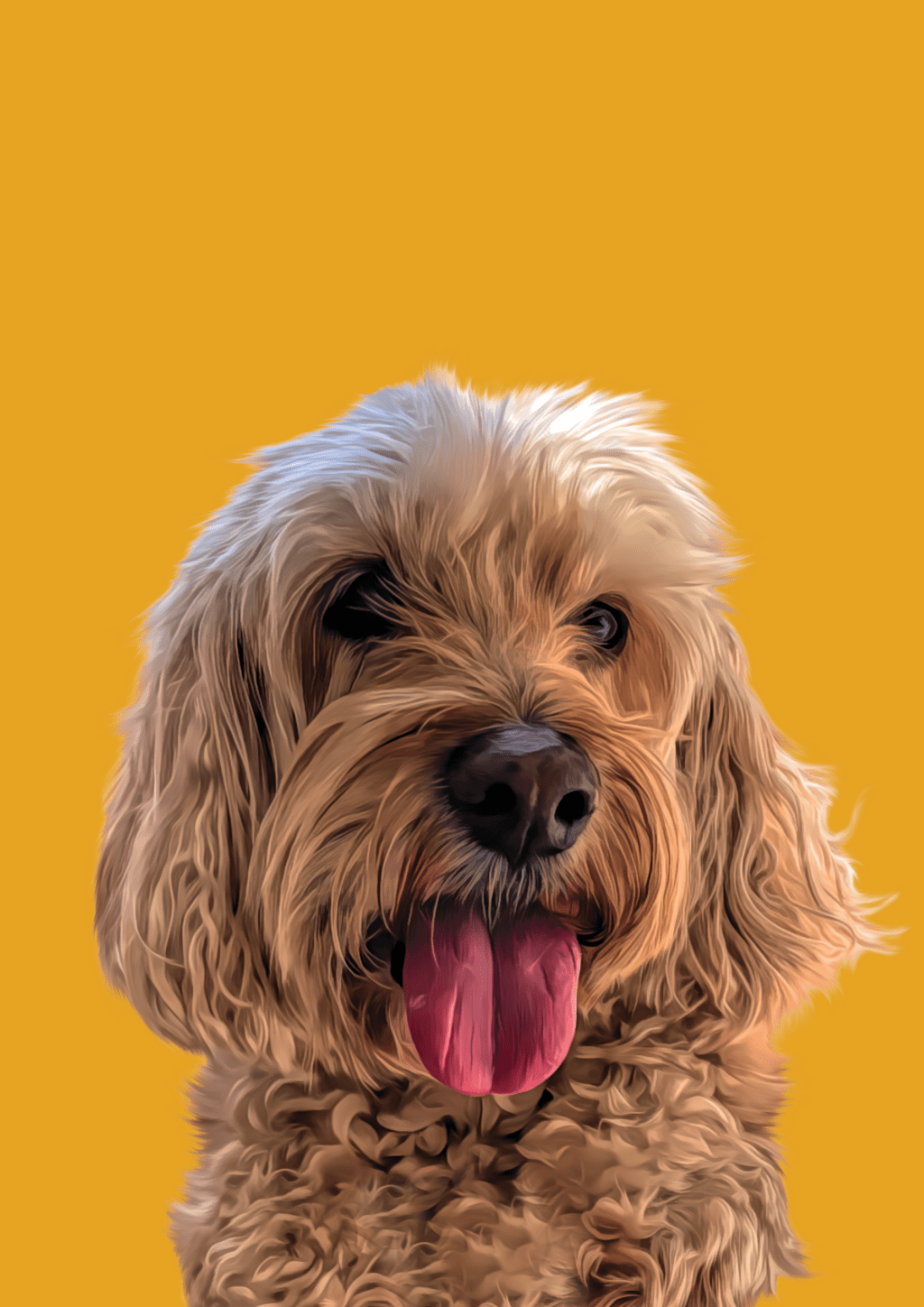
There’s no quick fix for grief, but eventually a more ingrained love and respect evolves for what that person or animal taught you.

Prior to our vet’s final visit to our home, I cradled our fifteen-year old dog Luna in my arms, sobbing uncontrollably. I thought I was prepared, but in that moment of our total vulnerability, it was all too much. It felt wrong to end her life this way, and when her body went limp, and all that was left was a lifeless shell with (what we swear was) a smile on her face, I was inconsolable.
Grief is complex and messy
Until you experience the loss of a beloved pet, it is impossible to understand the complexity of emotions that accompany it. After two harrowing weeks of watching Lu’s unbearable decline – of awful days interspersed with better ones – I was surprised not to feel the relief I expected. Instead, I was consumed by my loss: a brutal, heay cloak of sadness that felt misplaced when friends of ours have lost children.
I’d assumed, I suppose, that the resilience from previous losses – an unfair number in our family – would help me through the emotional quagmire. But despite thousands of dollars spent on therapy and unlimited self-care, I was woefully under-prepared. A familiar frustration I felt many times as a young parent – when I wanted to take control of situations, to protect my kids from mistakes or suffering – resurfaced.
It takes time and work to reach even a basic level of acceptance
If I couldn’t control Lu’s passing, I would find a logical, quick solution to my grief, I decided. But no amount of false bravado alleviated the intense pain of my loss in the weeks that followed her death. I stalked the house for a whiff of her scent, searched for lost balls under sofas, and at my lowest point, found myself rummaging through our garden border for traces of her poo.
It is rare for dogs to die in their sleep – which ensures the end is never easy – and though we were determined not to let Lu suffer, the reality of picking a day was an impossible dilemma. Each time we considered calling the vet, she ate a bit more food, ran instead of her usual plod, or demanded extra cuddles.
I question why we left it so long now. Clearly, we were putting our needs first, but I believe that my own questions around death and the ageing process also left me conflicted. At times, her decline felt like a terrifying forshadowing of my own; a salient reminder of the brevity of life and the necessity to use wisely whatever time is left. In reality, I was keeping her in pain to reduce my own.
Should we define the word “legacy”?
Luckily for her, eventually, we came to our senses. One day she looked up at me from my bed with a look in her eyes that was impossible to misinterpret. She was ready and we owed her a dignified death. For her sake, I accepted that she would never dig up our garden again, catch the balls my husband flicked off his rake, or snuggle beside me on the sofa at night.
In the immediate aftermath of her passing, I went through boxes of tissues, swore every Spoodle I saw was her reincarnation and then realised I had to fuel my pain and anger into something. My project was the creation of a shrine in our home of enlarged photos, carefully procured locks of her hair, and an engraved river rock that my kids think is creepy. My husband resorted to mindfulness – a strategy he used to call BS on – and preferred to trawl through old photos, to reflect on our special times together.
Pets make us better human beings
Today, two months on, I’m still drifting somewhere between denial and anger and nowhere close to nostalgic trips down memory lane. However, I am trying a more positive approach. I’m thinking about the wonderful legacy left by Lu. After all, that little scrap of fur touched all our lives in different ways: she was my best friend, a loyal sibling to our kids, the constant during our many house moves and emotional upheavals – not to mention the OG of one of the most popular dog names. So while my memories are still fresh, I decided to share some of the important life lessons she gave us:
- Embrace every day as if it’s your last – It’s a cliche, but anyone who has loved and lost will confirm that life can take a dramatic turn at any time, so don’t waste it. Take risks, “wear the dress”, remove yourself from anything that doesn’t serve you.
- Live in the moment – Try not to dwell on the past or the future. Regrets and fear won’t change the outcome. Conversely, acceptance and the way you react to situations are in your control and have been proved some of the best ways to handle negative thoughts. For those of you in difficult circumstances, check out radical acceptance.
- Love hard and unconditionally – I am still learning that forgiveness is crucial to the development of resilience, happiness and empathy. Dogs understand that, so don’t be afraid to open your heart.
- Don’t judge – Our unconscious bias runs deeper than we think, but until you’ve walked in someone else’s shoes, you can’t possibly understand what drives them. Try not to discriminate. Look for the best in every person.
- A walk fixes most things – Exercise is recognised as one of the best cures for mental health issues. When we walk, our body is reinvigorated by exercise, fresh air, and even a change in scenery. Nature is the best healer. It is the cheapest therapy for clearing your mind.
- Genuine happiness doesn’t cost a lot – Most of us learn too late that true pleasure is found in the small things: thoughtfulness, kind gestures from friends, a spontaneous picnic, or reading a book in a quiet corner. A sense of belonging – which comes from healthy relationships with friends or family – is a major contributor to longevity.
- Often, actions speak louder than words – Dogs can’t talk – although many owners would contest that – and yet they show us they love us. Communicating without words is just as meaningful as talking. Many love languages – like touch and acts of service – don’t involve words. A card, a shared meme, or some other type of thoughtful gesture are as effective ways to connect.
- You can’t beat the aging process – No amount of lifts or Botox will stop the passage of time, so try to stop obssessing about the negatives of getting old and embrace the benefits. As a middle-aged woman, most of the time I am loving the invisibility it offers. Happiness is finding peace within yourself.
- Embrace death – I don’t mean when life is cut short, but when you are in your twilight years or final chapter, try not to fight it. You can’t change it. Wouldn’t it be wonderful if we reframed death and viewed it like other cultures, as a celebration of life or the transition into another, possibly better world.
- Reframe the idea of “legacy” – Traditionally, a legacy is seen as money or property left, but I prefer the other definition by Oxford Languages: “The long-lasting impact of particular events, actions, etc. that took place in the past, or of a person’s life.” The way our society measures success marginalises the achievements of the majority of decent, “normal” people.
- Time is a healer – Time doesn’t take away the pain of loss, but alongside love, compassion, therapy, self-care, or simply helping others, it helps the healing process
Grief is complex. There’s no magic formula for how to navigate it and ultimately, everyone gets through it in their own way and time. There are moments I think back fondly to the special moments with Lu, and others – when she’s not there, waiting for me on my bed at night – when my heart breaks all over again.
Often, actions speak louder than words
I’ve always believed in the concept that rather waiting for my grief to end, my life will slowly evolve around it, until it becomes less acute. Luna is embedded in my heart, so she will always be by my side, influencing my future. Of course, part of me would welcome some numbness from this pain, but another part wants to keep reliving our last precious moments together while I still remember them. I suppose at some point, though, I must wash my bedsheets.
Have you lost a beloved pet? How have you managed your grief?


 LOUISA SIMMONDS
Leave a reply to My Midlife Mayhem Cancel reply